Markets are entering a week that could bring increased volatility. The Japanese yen surged after a rare joint intervention by Tokyo and Washington, while oil prices fell on easing Middle East tensions. Attention now shifts to Friday’s labour market data from Canada and the United States, which could influence expectations for future central bank policy.
How the Week Started
Markets opened the week with two major themes: coordinated support for the Japanese yen and easing geopolitical tensions in the Middle East.
Japan and the US Intervene to Support the Yen
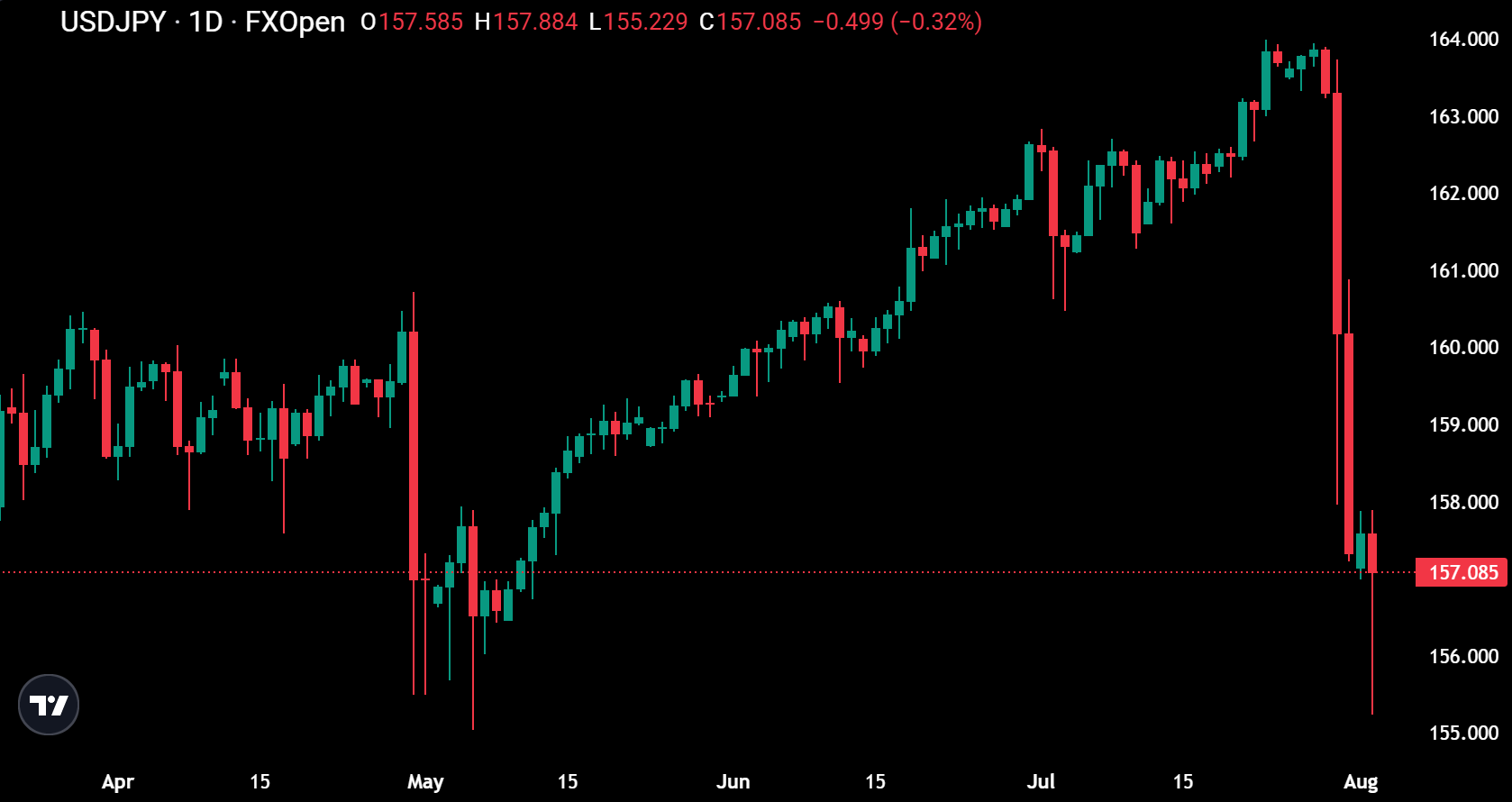
The Japanese yen strengthened sharply after Tokyo and Washington jointly intervened in the foreign exchange market. Japan’s Ministry of Finance and the US Treasury coordinated a yen-buying operation, using the Federal Reserve’s standing FIMA repo facility to provide dollar liquidity without forcing Japan to sell its US Treasury holdings.
Officials also signalled that further intervention remains possible if necessary. The move comes as the Bank of Japan continues to look for the right conditions to resume interest rate increases.
USD/JPY reacted immediately, falling below 156 after trading at around 164 last week.
Oil Falls as Supply and Geopolitical Risks Ease
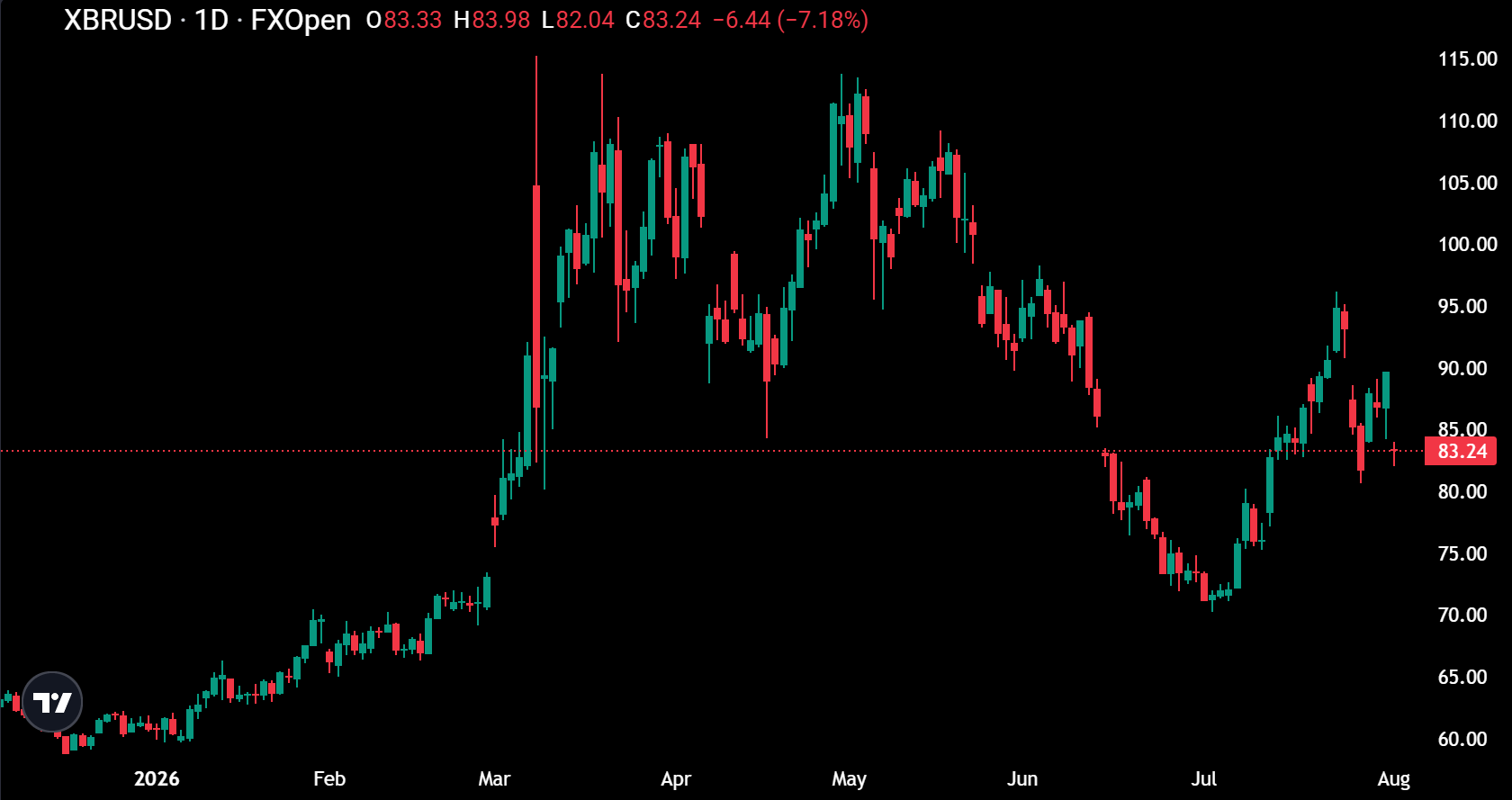
Oil prices moved lower after US President Donald Trump announced that negotiations with Iran would begin on Monday, reviving hopes of a diplomatic resolution to tensions in the Middle East.
Adding to the bearish sentiment, OPEC+ approved a production increase of approximately 188,000 barrels per day from September, completing the gradual reversal of production cuts introduced in 2023.
XBR/USD plunged by more than 7% in early Monday trading.
Economic Data
Labour market data remains a key focus for markets.
Canada Unemployment Rate
Friday, 7 August at 15:30 GMT+3
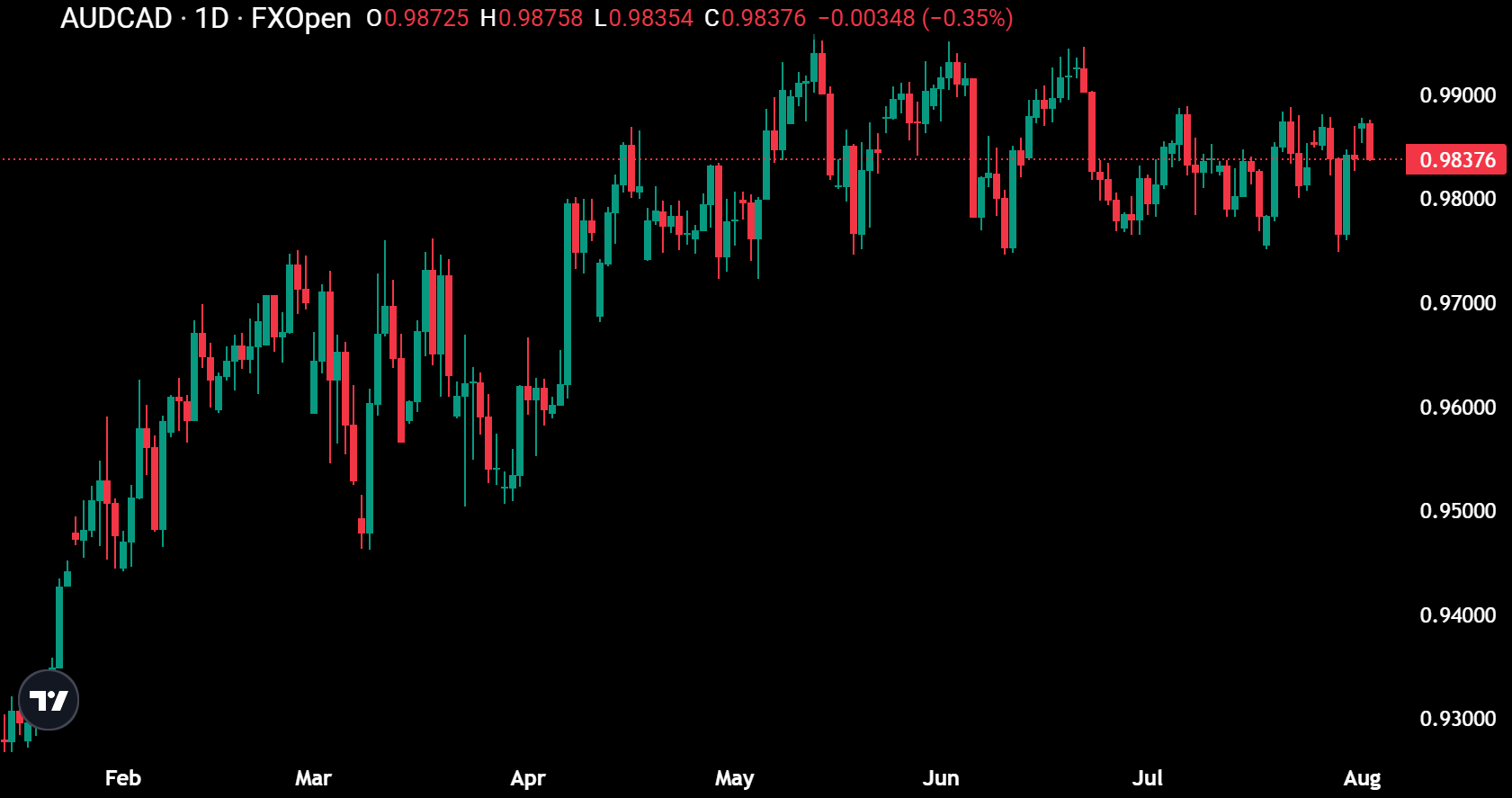
Canada’s unemployment rate is expected to remain broadly unchanged, suggesting the labour market continues to hold up despite slowing economic growth. A result close to expectations may have only a limited market impact. However, a significant surprise could trigger increased volatility in CAD pairs as traders reassess the outlook for Bank of Canada policy.
US Nonfarm Payrolls & Unemployment Rate
Friday, 7 August | 15:30 GMT+3
July’s Nonfarm Payrolls are expected to increase by around 83,000, following 57,000 in June, while the unemployment rate is forecast to edge up to 4.3% from 4.2%.
Markets currently assign roughly a 64% probability of a September Fed rate hike. Although the employment report is unlikely to be the decisive factor in shaping the Fed’s next move, it may still drive increased short-term volatility if the data meaningfully disappoints or surprises relative to expectations.
Traders will be watching for volatility across:
- USD currency pairs
- US stock indices
- Gold (XAU/USD)
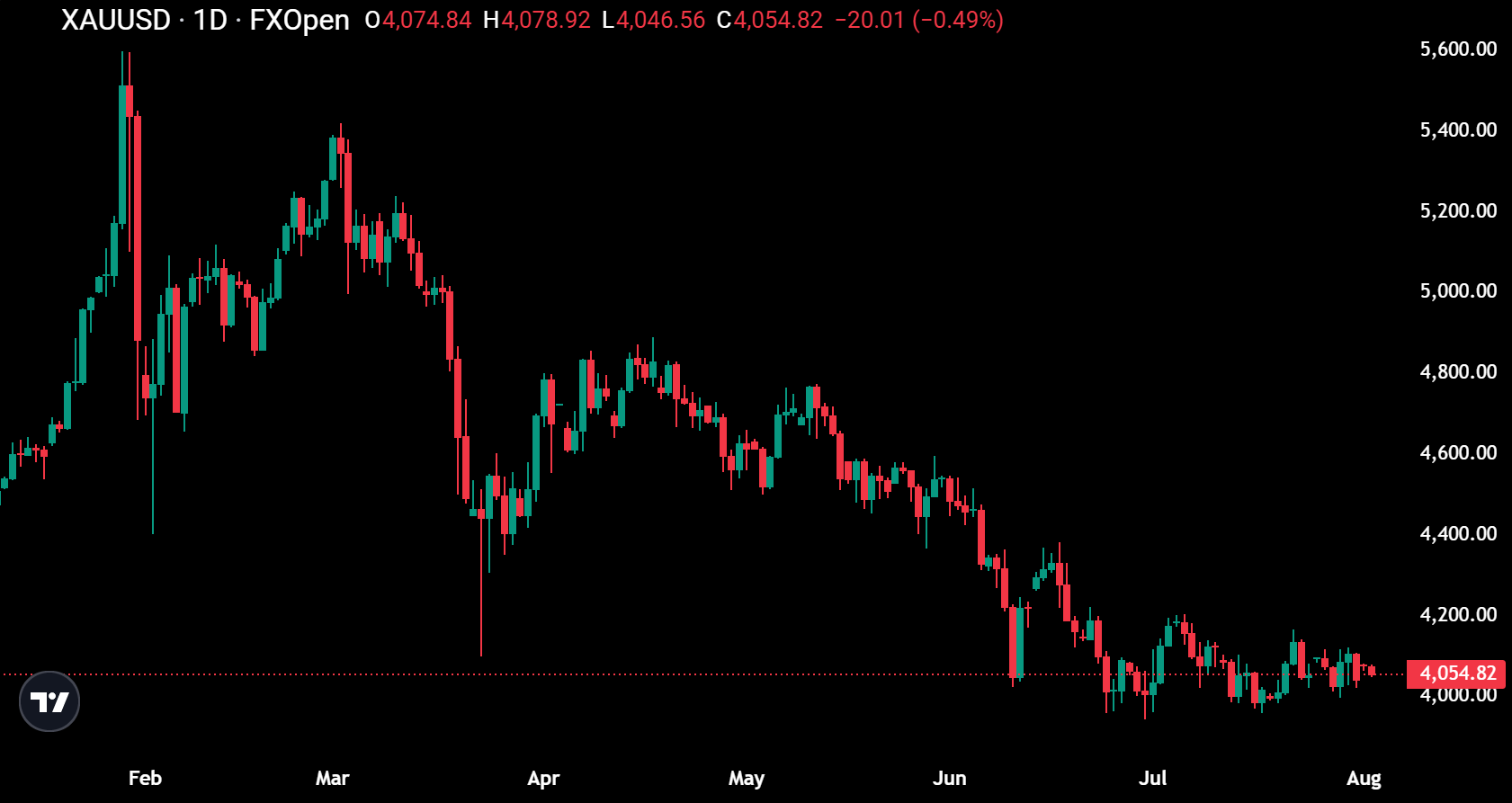
Gold has traded within a relatively narrow $4,000–4,100 range for more than a week. While the report alone may not trigger a breakout, weaker or stronger-than-expected data could lead to sharp intraday price swings.

•Most Trusted Broker — 2026
These awards confirm our commitment to building a rewarding trading environment and helping you uncover your potential. Thank you for choosing to trade with an award-winning broker!
Choose MetaTrader 5 with Top Forex Brokers?
•Blazing-fast execution & enhanced stability
•38 built-in technical indicators & 21 timeframes for precision trading
•Optimized for all devices—desktop, mobile & web
•Trade a wide range of assets: Stocks, Commodities, Forex & more!
https://www.topforexbrokerscomparison.com
*Tips and analytics do not constitute a call to trade, trading advice or recommendation and are for information only.
Risk warning: Before you start trading, you should completely understand the risks involved with the currency market and trading on margin, and you should be aware of your level of experience.